Home
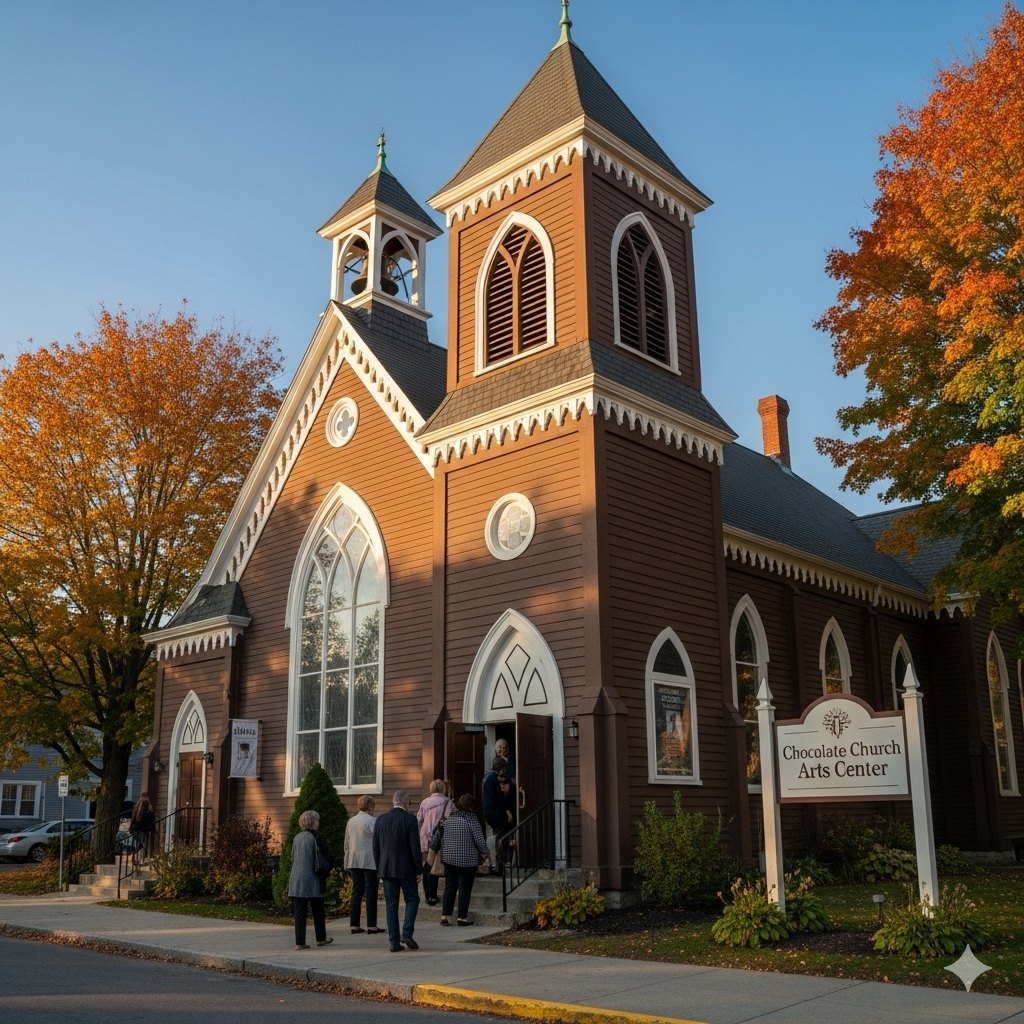
Chocolate Church | Arts Center & Cultural Venue in Maine
Introduction: A Hub of Creativity and Culture
Nestled in the heart of Maine, the Chocolate Church Arts Center has stood as a beacon of creativity, arts, and culture for decades. As one of the state’s most beloved cultural venues, it provides a space where the arts thrive, bringing together diverse communities through music, theater, visual arts, and educational programs. Whether you are an art enthusiast, an aspiring artist, or simply looking for a unique cultural experience, the Chocolate Church Arts Center is a place where creativity flourishes and where Maine’s cultural landscape continues to evolve.
Located in Bath, a picturesque city on the banks of the Kennebec River, this arts center offers a diverse range of programs and performances that highlight both local talent and nationally recognized artists. With a rich history and a vibrant future, the Chocolate Church Arts Center is more than just a venue—it is a cultural treasure that nurtures the creative spirit and fosters community engagement.
Our Mission: Cultivating Arts and Culture for All
The Chocolate Church Arts Center was founded with a simple yet powerful mission: to provide a welcoming space for the arts and to create opportunities for people of all ages and backgrounds to engage with and experience the arts. At its core, the center is committed to:
-
Promoting Arts Accessibility: We strive to make arts and cultural experiences accessible to everyone, regardless of age, background, or financial situation.
-
Fostering Creative Expression: We provide a platform for both emerging and established artists to showcase their work and for the community to explore different forms of artistic expression.
-
Building Community Through the Arts: The center is dedicated to fostering a sense of community by offering programs that bring people together, encourage collaboration, and support the local creative economy.
-
Supporting Arts Education: By offering educational opportunities and programs for all ages, we ensure that the arts remain an integral part of the region’s cultural identity.
Through these guiding principles, the Chocolate Church Arts Center has become a cornerstone of the arts in Maine, offering a rich array of performances, exhibitions, and events that reflect the diversity and vibrancy of the creative community.
History: A Story of Transformation
The Chocolate Church Arts Center has a fascinating history that blends the rich heritage of Maine with the transformative power of the arts. Originally constructed in 1820 as a church, this historic building has undergone several changes throughout the years. In the early 20th century, the church was no longer in use for religious services, and in the late 20th century, it was reborn as a cultural center.
-
The Church Era: The building’s original function as the Chocolate Church dates back to the early 1800s. It was a place of worship, community gathering, and spiritual reflection for many residents of Bath.
-
Conversion to Arts Center: In the 1980s, the historic church building was transformed into an arts center to meet the growing demand for cultural spaces in the region. It became a venue for live performances, art exhibitions, and community events, preserving its architectural integrity while opening its doors to a new era of cultural expression.
-
Revitalization and Growth: Today, the Chocolate Church Arts Center continues to evolve, offering a wide range of programming while maintaining its historic charm. The venue has been lovingly restored to retain much of its original character while providing modern amenities for artists and patrons alike.
This blending of history and art has given the Chocolate Church Arts Center its unique identity—one that celebrates both the past and the future of the creative community.
Programs and Events: A Diverse Cultural Experience
At the Chocolate Church Arts Center, there is something for everyone. Whether you are a lover of music, theater, or visual arts, the center offers a wide variety of programs and events throughout the year that celebrate creativity in all its forms. Our offerings include:
1. Live Music Performances
Music is at the heart of the Chocolate Church Arts Center. From intimate acoustic performances to large-scale concerts, the venue hosts a diverse lineup of musical acts across various genres, including:
-
Classical Music: From orchestral performances to solo recitals, classical music lovers can enjoy world-class musicians in a historic and intimate setting.
-
Folk & Americana: The center showcases the best in folk, Americana, and roots music, with performances from both local and nationally recognized artists.
-
Jazz & Blues: For those who appreciate smooth jazz and soulful blues, the Chocolate Church Arts Center hosts regular performances that highlight the genre’s rich history and future.
-
Rock & Contemporary: The venue also provides a stage for contemporary bands, bringing vibrant energy to the community with electric performances.
Each performance is an opportunity for the community to come together and enjoy live music in a setting that fosters connection and creativity.
2. Theater and Performing Arts
The Chocolate Church Arts Center is renowned for its engaging theater productions, ranging from community theater performances to professional plays. Our theater programs include:
-
Mainstage Productions: Each year, the center hosts a variety of plays, from classic works to contemporary dramas, offering something for every theater enthusiast.
-
Children’s Theater: We believe in the power of storytelling for young audiences. Our children’s theater programs engage young minds, inspiring creativity and imagination through performances tailored to younger audiences.
-
Workshops and Performances: The center regularly hosts acting workshops and performances that provide aspiring actors and performers the opportunity to hone their craft and showcase their talents.
Through these programs, the Chocolate Church Arts Center creates a space for storytelling, drama, and performing arts that speak to both local and universal experiences.
3. Visual Arts Exhibitions
In addition to live performances, the center also offers a wide range of visual art exhibitions, showcasing works by talented local, regional, and national artists. These exhibitions feature:
-
Rotating Art Exhibitions: Featuring contemporary art across a variety of mediums, including painting, sculpture, photography, and mixed media.
-
Gallery Space: The center’s gallery space offers artists a platform to display their work, providing visitors with an opportunity to engage with visual art in a meaningful way.
-
Art Shows and Fairs: The Chocolate Church Arts Center regularly hosts art shows and fairs, offering local artists the chance to showcase and sell their work to the public.
These exhibitions foster creativity and conversation, inviting viewers to explore and appreciate the richness of Maine’s visual arts community.
4. Community and Educational Programs
The Chocolate Church Arts Center is deeply committed to providing arts education to people of all ages. Our educational programs include:
-
Art Classes and Workshops: For aspiring artists of all levels, we offer a range of classes, including painting, drawing, photography, and more.
-
Youth Programs: Our youth programs engage children and teens in creative learning, providing them with the skills and confidence to explore their artistic interests.
-
Cultural Outreach: The center also offers community outreach programs designed to bring the arts into schools and underserved communities, promoting access to the arts for all.
How You Can Get Involved: Support and Engage with the Arts
At the Chocolate Church Arts Center, we believe that the arts thrive when communities come together to support them. There are several ways you can get involved and support our mission:
-
Attend Events: Your participation in our programs and performances supports the arts in Maine. By attending events, you’re not only enjoying world-class entertainment, but you’re also helping to sustain our programming.
-
Become a Member or Donor: Your financial support helps us continue our work. By becoming a member or donor, you play a key role in sustaining the Chocolate Church Arts Center and supporting the arts in Maine.
-
Volunteer: We welcome volunteers who are passionate about the arts. Whether assisting with events, supporting our education programs, or helping with administrative tasks, your time and talents are invaluable.
Conclusion: A Cultural Beacon in Maine
The Chocolate Church Arts Center is more than just a venue—it is a community hub for creativity, learning, and cultural exchange. Whether you are experiencing a live performance, viewing an art exhibition, or participating in an educational workshop, the Chocolate Church Arts Center offers a diverse and enriching experience that celebrates the power of the arts.
Join us as we continue to foster creativity, inspire imagination, and bring people together through the transformative power of art.